
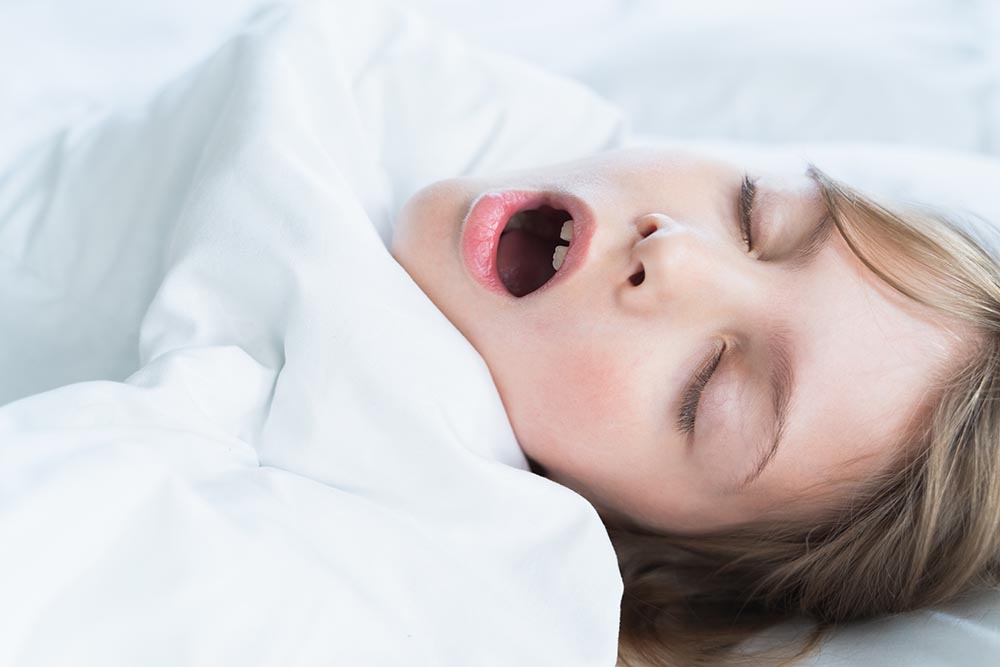

Why Your Child Snores: When It’s More Than Just a Cute Habit
Many parents smile the first time they hear their child snore. It can seem adorable—a tiny version of Mom or Dad sleeping soundly after a busy day.
But what if that snoring is trying to tell you something?
While occasional snoring during a cold or allergy flare-up is common, regular or frequent snoring is not considered normal in children. It may be a sign that your child is working harder to breathe during sleep, which can affect their growth, development, behavior, and overall health.
At Myofunctional Vibes, we help families understand the connection between breathing, oral muscle function, and healthy development. Recognizing the warning signs early can make a significant difference in your child’s lifelong health.
Is It Normal for Children to Snore?
Many parents ask:
“Is it normal for my child to snore every night?”
The answer is simple:
Occasional snoring can happen. Regular snoring deserves attention.
Children should generally breathe quietly through their noses while they sleep. Persistent snoring may indicate that something is partially blocking their airway or that the muscles supporting healthy breathing are not functioning as efficiently as they should.
What Causes Snoring in Children?
Snoring occurs when airflow is partially restricted, causing the soft tissues of the airway to vibrate during sleep.
Several factors can contribute to this, including:
Enlarged Tonsils and Adenoids
One of the most common causes of snoring in young children is enlarged tonsils or adenoids. These tissues can reduce the amount of space available for airflow while sleeping.
Mouth Breathing
Children who breathe through their mouths often develop poor oral muscle habits that can contribute to airway problems.
Mouth breathing may be caused by:
- Chronic nasal congestion
- Allergies
- Tongue-tie
- Enlarged tonsils
- Poor oral muscle function
- Habitual breathing patterns
Allergies and Chronic Nasal Congestion
If your child’s nose is frequently blocked, they may naturally begin breathing through their mouth, especially while sleeping.
Over time, this habit can become difficult to break, even after congestion improves.
Tongue Posture
The tongue plays a surprisingly important role in keeping the airway open.
When it rests properly against the roof of the mouth, it helps support healthy jaw development and airway function.
If the tongue rests low in the mouth, it may contribute to airway narrowing during sleep.
Sleep-Disordered Breathing
Some children experience a spectrum of breathing problems during sleep, ranging from mild snoring to more significant airway obstruction.
These conditions deserve evaluation because they may affect a child’s health and development.
Why Snoring Matters
Many parents assume that if their child sleeps through the night, they’re getting good rest.
Unfortunately, that’s not always true.
Children can experience disrupted breathing without fully waking up.
Instead of restorative sleep, they may spend the night working harder to breathe.
Over time, poor-quality sleep can affect:
- Growth
- Brain development
- Learning
- Mood
- Behavior
- Immune function
- Energy levels
Healthy sleep is essential because it’s when much of a child’s physical growth and brain development occur.
Signs Your Child’s Snoring May Be a Concern
If your child snores regularly and also experiences any of these symptoms, it’s worth discussing with your healthcare provider:
- Mouth breathing during the day
- Sleeping with an open mouth
- Restless sleep
- Frequent tossing and turning
- Night sweats
- Teeth grinding
- Bedwetting
- Morning headaches
- Difficulty waking up
- Daytime sleepiness
- Hyperactivity
- Difficulty concentrating
- Behavioral challenges
Many of these symptoms may not immediately seem connected to breathing, but they often occur together.
The Link Between Snoring and Behavior
Children don’t always respond to poor sleep the same way adults do.
Instead of appearing tired, they may actually become:
- Hyperactive
- Easily distracted
- Impulsive
- Irritable
- Emotionally reactive
Some children with sleep-disordered breathing are even evaluated for attention or behavioral concerns before an underlying airway issue is recognized.
This doesn’t mean every child with these symptoms has an airway problem—but it highlights why healthy breathing deserves careful consideration.
Mouth Breathing Can Affect Facial Growth
One of the lesser-known effects of chronic mouth breathing is its impact on facial development.
During childhood, the bones of the face are still growing.
Healthy nasal breathing and proper tongue posture help support:
- A wider upper jaw
- Proper dental arch development
- Balanced facial growth
- Healthy airway development
When a child consistently breathes through their mouth, these growth patterns may be affected.
This can contribute to:
- Crowded teeth
- Narrow dental arches
- High palate
- Long, narrow facial appearance
- Increased need for orthodontic treatment
Early intervention offers the greatest opportunity to encourage healthy development.
How Myofunctional Therapy Can Help
Myofunctional therapy focuses on improving the function of the muscles involved in:
- Breathing
- Swallowing
- Speaking
- Chewing
- Oral resting posture
Every treatment plan at Myofunctional Vibes is personalized based on your child’s needs.
Therapy may include exercises that help improve:
- Tongue posture
- Lip strength
- Nasal breathing
- Swallowing patterns
- Oral muscle coordination
- Healthy oral habits
The goal is to support proper function while encouraging healthier breathing patterns.
A Team Approach to Pediatric Airway Health
Snoring often has more than one contributing factor.
That’s why treatment may involve collaboration with several healthcare professionals, including:
- Pediatricians
- Dentists
- Orthodontists
- ENTs (ear, nose, and throat specialists)
- Sleep physicians
- Lactation consultants (for infants)
- Speech-language pathologists
- Myofunctional therapists
Working together allows each provider to address the factors within their area of expertise.
When Should You Seek an Evaluation?
Consider scheduling an evaluation if your child:
- Snores most nights
- Breathes through their mouth
- Sleeps with their mouth open
- Has restless sleep
- Frequently grinds their teeth
- Has crowded teeth at an early age
- Experiences speech or swallowing concerns
- Has difficulty focusing during the day
- Wakes feeling tired despite sleeping all night
The earlier these concerns are identified, the greater the opportunity to support healthy growth and development.
Healthy Breathing Supports Healthy Growth
Every child deserves restful sleep and healthy breathing.
While snoring may seem harmless, it can sometimes be an early sign that your child’s airway deserves a closer look.
At Myofunctional Vibes, we’re passionate about helping children develop healthy breathing habits that support better sleep, improved oral function, and lifelong wellness. Through personalized myofunctional therapy, we help families address the underlying habits that may contribute to breathing and airway concerns.
If your child snores regularly or breathes through their mouth, contact Myofunctional Vibes today to schedule an evaluation. Together, we can help your child breathe easier, sleep better, and thrive.
Frequently Asked Questions
Is it normal for my child to snore every night?
Occasional snoring during illness or seasonal allergies can happen, but regular or nightly snoring should be evaluated by a healthcare professional to determine whether an underlying airway issue may be present.
Can mouth breathing cause my child to snore?
Yes. Mouth breathing can contribute to airway narrowing and changes in oral muscle function, both of which may increase the likelihood of snoring during sleep.
Can myofunctional therapy stop snoring?
Myofunctional therapy may help improve oral muscle function, tongue posture, and breathing habits that contribute to snoring. Treatment recommendations vary based on each child’s individual needs and should be part of a comprehensive evaluation.
At what age can a child begin myofunctional therapy?
The appropriate age depends on the child’s development, ability to participate in therapy, and specific concerns. A qualified myofunctional therapist can determine whether therapy is appropriate after an evaluation.
Suggested Tags
- child snoring causes
- child snoring every night
- pediatric airway
- mouth breathing child
- myofunctional therapy for children
- pediatric sleep
- airway health
- enlarged tonsils
- pediatric sleep apnea
- oral posture
- tongue posture
- child breathing problems
- healthy child development
Internal Linking Opportunities
This article should internally link to:
- Mouth Breathing vs. Nasal Breathing: Why It Matters More Than You Think
- The Hidden Dangers of Mouth Breathing
- 10 Signs You or Your Child May Need Myofunctional Therapy
- Tongue Tie in Children and Adults
- The Connection Between Myofunctional Therapy and Improved Sleep
- Why Orthodontic Treatment Alone Doesn’t Always Fix the Problem
Together, these articles create a comprehensive topical cluster around pediatric airway health, sleep, breathing, oral function, and myofunctional therapy—helping establish MyofunctionalVibes.com as a trusted resource for both families and healthcare professionals.



0 Comments