
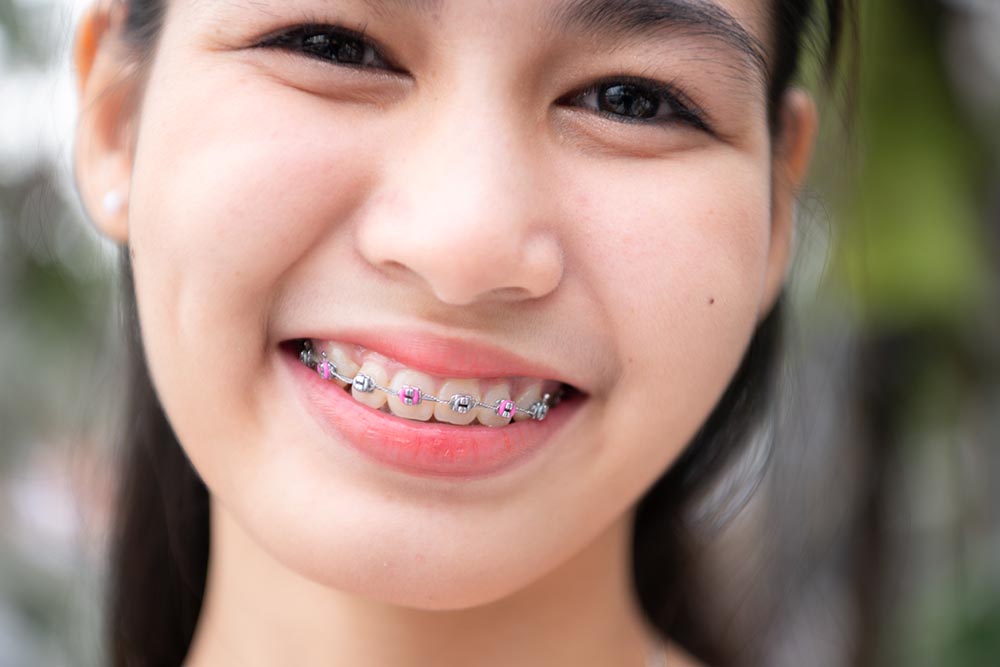

Why Orthodontic Treatment Alone Doesn’t Always Fix the Problem: The Missing Piece Behind Lasting Results
For many people, completing orthodontic treatment feels like crossing the finish line. After months—or even years—of wearing braces or clear aligners, their teeth are finally straight, and they’re ready to enjoy their new smile.
But months or years later, something frustrating happens.
Their teeth begin to shift.
They may wonder:
Why are my teeth moving again?
Why aren’t my retainers keeping my teeth straight?
Didn’t braces permanently fix my teeth?
The answer often lies in something many people have never heard of: oral muscle function.
At Myofunctional Vibes, we help patients understand that while orthodontics moves teeth into healthier positions, it doesn’t always correct the habits and muscle patterns that caused the problem in the first place. That’s where myofunctional therapy can make a significant difference.
Orthodontics Moves Teeth—It Doesn’t Retrain Muscles
Braces and clear aligners are incredibly effective at moving teeth into proper alignment.
However, teeth don’t exist in isolation.
They are constantly influenced by the muscles that surround them, including:
The tongue
The lips
The cheeks
The jaw muscles
These muscles apply gentle pressure to your teeth every minute of every day.
If those muscle patterns remain dysfunctional after orthodontic treatment, they can gradually move your teeth back toward their original positions.
Why Do Teeth Shift After Braces?
One of the most common questions orthodontists hear is:
“Why are my teeth shifting after braces?”
While several factors can contribute, common causes include:
Poor tongue posture
Tongue thrust swallowing
Mouth breathing
Inconsistent retainer use
Teeth grinding
Improper oral resting posture
Airway dysfunction
Many patients assume their retainers have failed when, in reality, the muscles surrounding their teeth continue to exert pressure thousands of times each day.
Your Tongue Is More Powerful Than You Think
Your tongue is one of the strongest muscles in your body.
When it rests properly, it should gently touch the roof of your mouth—not press against your teeth.
Unfortunately, many people develop poor tongue posture because of:
Mouth breathing
Tongue tie
Poor oral habits
Airway restrictions
Childhood swallowing patterns
If the tongue consistently pushes against the front teeth during swallowing or speaking, it can gradually contribute to orthodontic relapse.
You Swallow More Than You Realize
Most people swallow between 500 and 1,000 times every day.
Now imagine if your tongue pushes against your front teeth during every swallow.
Over time, those repeated forces can influence tooth movement.
This pattern, known as tongue thrust, is one of the most common reasons teeth shift after orthodontic treatment.
Mouth Breathing Can Undo Orthodontic Progress
Breathing may not seem related to braces, but it’s one of the biggest factors affecting long-term orthodontic success.
When someone breathes primarily through their mouth:
The tongue often rests low in the mouth.
The lips remain open.
The upper jaw may develop more narrowly.
The muscles surrounding the teeth become imbalanced.
These changes can increase the likelihood of:
Crowded teeth
Bite changes
Orthodontic relapse
Narrow dental arches
Airway concerns
Correcting breathing habits is an important part of supporting long-term dental stability.
Retainers Are Important—But They’re Not the Whole Solution
Retainers are an essential part of maintaining orthodontic results.
However, retainers are designed to hold teeth in place, not retrain the muscles that influence them.
Think of it this way:
Imagine straightening a young tree with stakes while strong winds continue pushing against it every day.
The stakes may temporarily hold the tree upright, but unless the environmental forces change, the tree will continue trying to lean.
Your teeth respond similarly to the forces created by your tongue, lips, and cheeks.
The Missing Piece: Myofunctional Therapy
Myofunctional therapy focuses on retraining the muscles responsible for:
Breathing
Swallowing
Chewing
Speaking
Oral resting posture
Instead of simply treating the appearance of crooked teeth, myofunctional therapy addresses the functional habits that may contribute to orthodontic relapse.
How Myofunctional Therapy Supports Orthodontic Treatment
At Myofunctional Vibes, therapy is personalized for each patient.
Depending on your needs, treatment may include exercises designed to improve:
Proper Tongue Posture
Teaching the tongue to rest against the roof of the mouth rather than pressing against the teeth.
Healthy Swallowing Patterns
Correcting tongue thrust and other dysfunctional swallowing habits that repeatedly place pressure on the teeth.
Nasal Breathing
Encouraging healthy breathing through the nose instead of the mouth to improve airway function and oral posture.
Lip Strength
Helping patients comfortably maintain a closed-mouth resting posture.
Muscle Coordination
Improving how the muscles of the tongue, lips, cheeks, and jaw work together throughout the day.
Why Orthodontists Are Increasingly Recommending Myofunctional Therapy
More orthodontists recognize that lasting orthodontic success depends on more than moving teeth.
Many now refer patients for myofunctional therapy:
Before orthodontic treatment
During braces or clear aligner treatment
After braces are removed
When relapse begins to occur
This collaborative approach helps address both tooth alignment and the muscle habits that influence it.
Myofunctional Therapy Can Benefit Both Children and Adults
Many people believe oral muscle therapy is only for children.
In reality, adults can also experience meaningful improvements.
Children benefit because:
Their facial bones are still developing.
Healthy muscle habits can support proper growth.
Early intervention may reduce future orthodontic complications.
Adults benefit because therapy can help improve:
Tongue posture
Breathing
Sleep quality
Jaw comfort
Long-term orthodontic stability
It’s never too early—or too late—to improve oral function.
Signs You May Benefit From Myofunctional Therapy After Braces
You may benefit from an evaluation if you experience:
Teeth shifting after braces
Open bite returning
Tongue thrust
Mouth breathing
Snoring
Crowded teeth despite previous orthodontics
Difficulty keeping your lips closed
Frequent jaw tension
TMJ discomfort
Retainers no longer fitting properly
These symptoms often indicate that muscle function should be evaluated alongside tooth alignment.
A Whole-Body Approach to Oral Health
At Myofunctional Vibes, we believe successful treatment involves more than creating a beautiful smile.
Healthy oral muscles support:
Better breathing
Better sleep
Better swallowing
Healthier jaw development
Improved speech
Greater orthodontic stability
Enhanced overall wellness
Because everything in the mouth works together, treatment should address function—not just appearance.
Protect Your Investment in Your Smile
Orthodontic treatment is a significant investment of time, money, and commitment.
Protecting those results means looking beyond your teeth and addressing the habits that influence them every day.
At Myofunctional Vibes, we partner with patients, orthodontists, dentists, and other healthcare professionals to improve oral muscle function and support lasting orthodontic success.
If you’ve noticed your teeth shifting after braces—or if you’re planning orthodontic treatment and want the best possible long-term outcome—contact Myofunctional Vibes today to schedule a comprehensive myofunctional evaluation.
Together, we can help create not just a straighter smile, but a healthier foundation that lasts for years to come.
Frequently Asked Questions
Can myofunctional therapy prevent teeth from shifting after braces?
While every patient is unique, myofunctional therapy can address habits like tongue thrust, mouth breathing, and improper tongue posture that often contribute to orthodontic relapse.
Should I do myofunctional therapy before or after braces?
It depends on your individual needs. Some patients benefit from therapy before orthodontic treatment, while others begin during or after braces. Your orthodontist and myofunctional therapist can work together to determine the best timing.
Will I still need to wear my retainer?
Yes. Retainers remain an important part of maintaining your orthodontic results. Myofunctional therapy complements—not replaces—your orthodontist’s retention plan.
Can adults benefit from myofunctional therapy?
Absolutely. Adults can improve breathing, swallowing, tongue posture, oral muscle coordination, and overall function, even years after completing orthodontic treatment.



0 Comments